



 Meat & Chicken
  Cut Vegetables
  Ready To Cook
  Cut Fruits
  Combo
Combo  Fresh Mill Powder
  Pickles
  Fruits
  Vegetables



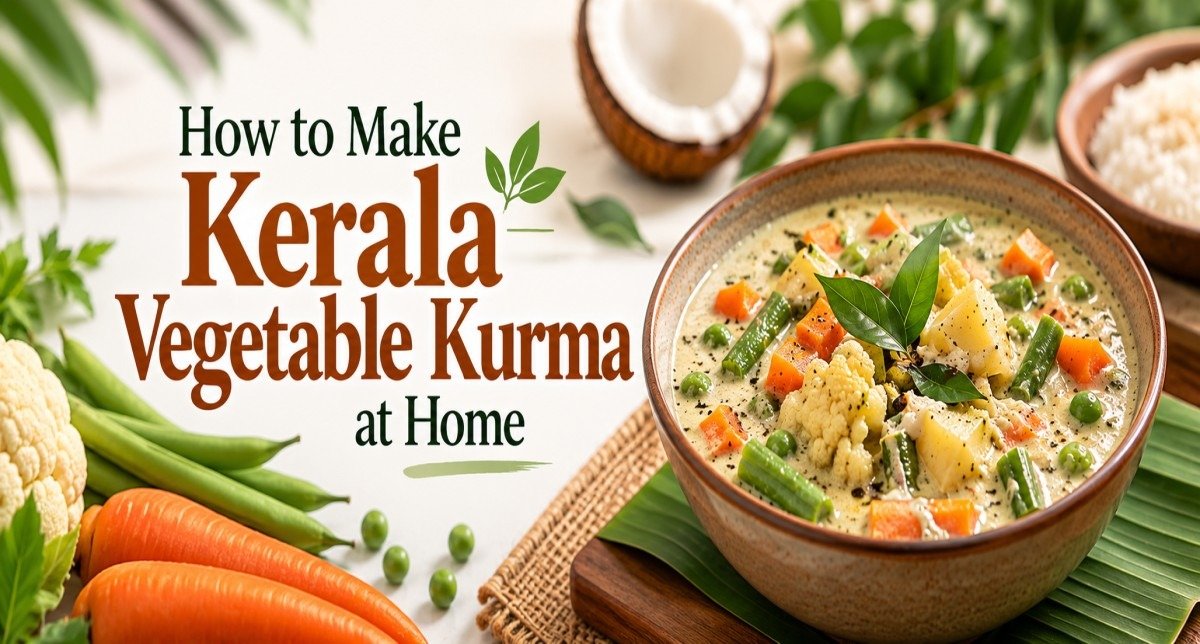
Kerala cuisine is known for its rich flavours, aromatic spices, and delicious coconut-based dishes. One popular choice is vegetable kurma, a mildly spiced curry made with mixed vegetables and a creamy coconut-based gravy. It pairs well with appam, chapati, idiyappam, parotta, and rice, making it a versatile option for breakfast, lunch, or dinner.
If you are looking for an easy Kerala vegetable kurma recipe, you can prepare this comforting dish at home using everyday ingredients. Carrots, potatoes, beans, and green peas add colour and texture, while coconut, ginger, garlic, and spices create its distinctive flavour.
Preparing vegetables can take time, especially when you need to wash, peel, and chop several ingredients. Using fresh-cut vegetables or a suitable Onionz Ready-to-Cook Pack can help simplify the preparation process, allowing you to spend more time cooking and enjoying your meal.
What Is Kerala Vegetable Kurma?
Kerala vegetable kurma is a traditional-style mixed vegetable curry prepared with aromatic spices and a coconut-based gravy. Depending on the household and recipe, it may include ingredients such as fennel seeds, cinnamon, cloves, green chillies, curry leaves, and coconut paste.
Unlike some heavily spiced curries, vegetable kurma often has a mild, creamy texture that complements breakfast dishes and Indian breads. The combination of vegetables and coconut gives the curry a satisfying flavour without requiring complicated cooking techniques.
Recipes vary across Kerala, with some versions using coconut milk and others using freshly ground coconut. You can adjust the spice level and consistency according to your preferences.
Ingredients for Kerala Vegetable Kurma
The following ingredients make approximately 3–4 servings.
For the vegetables
-
1 medium carrot, chopped
-
1 medium potato, diced
-
½ cup chopped beans
-
½ cup green peas
-
1 medium onion, sliced
-
1 medium tomato, chopped
-
1 green chilli, slit
-
1 teaspoon ginger-garlic paste
-
8–10 curry leaves
-
2 tablespoons oil
-
Salt to taste
-
Water as needed
For the coconut paste
-
½ cup freshly grated coconut
-
1 teaspoon fennel seeds
-
2 tablespoons cashews, optional
-
A little water for grinding
For the spice mixture
-
¼ teaspoon turmeric powder
-
½ teaspoon coriander powder
-
¼ teaspoon garam masala
-
1 small piece of cinnamon
-
2 cloves
Adjust the spices and coconut according to your preferred flavour and consistency.
How to Make Kerala Vegetable Kurma at Home
Step 1: Prepare the vegetables
Wash the carrots, potatoes, beans, and green peas thoroughly. Peel the potato and carrot if desired, then cut the vegetables into small, evenly sized pieces so they cook uniformly.
If you are using an Onionz Ready-to-Cook Pack containing suitable vegetables, follow the pack instructions and adjust the quantities to your recipe.
Step 2: Prepare the coconut paste
Add the grated coconut, fennel seeds, and optional cashews to a blender. Add a little water and grind until you obtain a smooth paste.
This mixture gives the kurma its creamy consistency and distinctive coconut flavour. If you prefer a lighter gravy, use less coconut or add a little coconut milk towards the end of cooking.
Step 3: Sauté the spices and aromatics
Heat oil in a deep pan or kadai. Add the cinnamon and cloves, followed by the sliced onion, green chilli, and curry leaves.
Sauté until the onion becomes soft. Add the ginger-garlic paste and cook briefly until its raw aroma fades. Stir in the chopped tomato and cook until it softens.
Step 4: Add the spice powders
Add turmeric powder, coriander powder, and garam masala. Mix well over low heat to prevent the spices from burning.
The spices should blend with the onion and tomato mixture, creating a fragrant base for the vegetable kurma.
Step 5: Cook the mixed vegetables
Add the chopped carrot, potato, beans, and green peas. Stir to coat the vegetables with the masala.
Pour in enough water to help the vegetables cook, then add salt to taste. Cover the pan and simmer until the vegetables become tender but retain their shape.
Step 6: Add the coconut paste
Add the prepared coconut paste to the cooked vegetables and mix thoroughly. Simmer over low heat for approximately 5–8 minutes, stirring occasionally.
Add a little hot water if the gravy is too thick. If it is too thin, simmer uncovered for a few more minutes until it reaches your desired consistency.
Taste and adjust the salt and spices as needed.
Step 7: Garnish and serve
Turn off the heat and allow the kurma to rest for a few minutes. Garnish with fresh curry leaves or coriander leaves if desired.
Serve hot with appam, idiyappam, chapati, parotta, or steamed rice for a satisfying homemade meal.
Tips for Making Delicious Vegetable Kurma
-
Cut vegetables evenly: Similar-sized pieces help the vegetables cook at the same rate.
-
Avoid overcooking: Vegetables should be tender without becoming mushy.
-
Adjust the coconut: Use coconut paste for a thicker gravy or coconut milk for a lighter, creamier variation.
-
Control the spice level: Reduce green chilli and garam masala if you prefer a milder curry.
-
Prepare ingredients in advance: Fresh-cut vegetables can reduce washing, peeling, and chopping time.
-
Allow the flavours to blend: Let the finished kurma rest briefly before serving.
Why Use Ready-to-Cook Vegetables?
Preparing a curry with several vegetables can involve washing, peeling, chopping, and cleaning the kitchen afterwards. Ready-to-cook vegetables can make this process more convenient, especially for people with busy schedules.
Onionz Ready-to-Cook Packs may help simplify preparation when the included vegetables suit your recipe. Always check the pack contents, freshness, and storage instructions before use.
For households that regularly prepare curries, stir-fries, and vegetable side dishes, prepared vegetables can be a practical addition to the kitchen routine.
What to Serve with Kerala Vegetable Kurma
Kerala vegetable kurma pairs well with a variety of meals:
-
Appam: Its soft centre and delicate edges complement the creamy curry.
-
Idiyappam: The mild flavour of string hoppers works well with coconut-based gravy.
-
Chapati: A convenient option for lunch or dinner.
-
Kerala parotta: Its flaky texture pairs nicely with thick kurma.
-
Steamed rice: A simple accompaniment that makes the curry suitable for a complete meal.
Choose the combination that suits your family's preferences and the occasion.
Frequently Asked Questions
1. What vegetables are best for Kerala vegetable kurma?
Carrots, potatoes, beans, green peas, and cauliflower are commonly used. You can adjust the combination according to seasonal availability and personal preference.
2. Can I make vegetable kurma without coconut?
Yes. You can prepare a variation using cashew paste or a small amount of yoghurt, depending on your preferred flavour. The result will differ from a traditional coconut-based Kerala-style kurma.
3. How do I make vegetable kurma thicker?
Add a little more coconut paste or allow the curry to simmer uncovered until excess liquid evaporates. Stir gently to avoid breaking the vegetables.
4. Can I use ready-to-cook vegetables for kurma?
Yes, provided the pack contains vegetables suitable for the recipe. Follow the package instructions and adjust cooking time according to the size and condition of the vegetables.
5. How should leftover vegetable kurma be stored?
Allow the curry to cool slightly, transfer it to a clean, covered container, and refrigerate promptly. Keep the refrigerator at 4°C or below and use leftovers within 3–4 days. Reheat thoroughly before serving, and discard food that has been left at room temperature for too long or shows signs of spoilage.
Conclusion
Kerala vegetable kurma is a flavourful and versatile curry that brings together mixed vegetables, aromatic spices, and the richness of coconut. With a straightforward preparation method and ingredients commonly found in Indian kitchens, it is a practical choice for everyday meals and special occasions alike.
By preparing the ingredients in advance or using suitable ready-to-cook vegetables, you can simplify the cooking process without losing the pleasure of a homemade meal. Serve your vegetable kurma with appam, idiyappam, chapati, or rice and enjoy a comforting taste of Kerala cuisine.
- Share this:

-