


 Meat & Chicken
  Cut Vegetables
  Ready To Cook
  Cut Fruits
  Combo
Combo  Fresh Mill Powder
  Pickles
  Fruits
  Vegetables



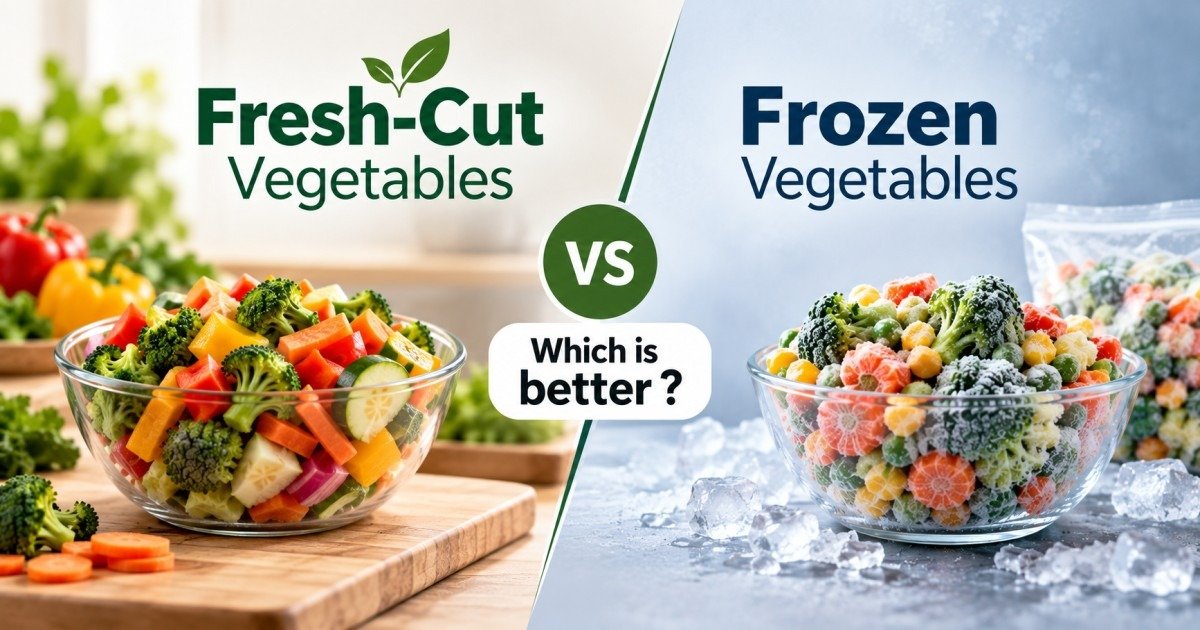
In today's fast-paced world, convenience and nutrition are equally important when it comes to preparing meals. As people investigate how to save time in the kitchen while maintaining a healthy lifestyle, fresh-cut vegetables and frozen vegetables have become popular alternatives to whole vegetables. Both options offer convenience, reduce preparation time, and help consumers include more vegetables in their daily diets.
However, many people wonder which option is better. Are fresh-cut vegetables healthier? Do frozen vegetables lose nutrients? Which choice offers better value for money? Understanding the differences between fresh-cut vegetables and frozen vegetables can help you make informed decisions based on your lifestyle, cooking habits, and nutritional goals.
What Are Fresh-Cut Vegetables?
Fresh-cut vegetables are vegetables that have been washed, peeled, chopped, sliced, or prepared for immediate use while remaining in their fresh state. These vegetables are carefully processed and packaged to maintain freshness and quality.
Common examples include diced onions, chopped carrots, sliced beans, cut pumpkin, mixed vegetable packs, and ready-to-cook vegetable combinations. Since the cleaning and cutting work has already been completed, fresh-cut vegetables significantly reduce meal preparation time.
Their popularity continues to grow among busy professionals, working parents, and health-conscious individuals who want the benefits of fresh vegetables without the hassle of extensive preparation.
What Are Frozen Vegetables?
Frozen vegetables are harvested, cleaned, and rapidly frozen shortly after processing. This freezing process helps preserve their quality, taste, and nutritional value while extending their shelf life.
Popular frozen vegetables include peas, corn, broccoli, spinach, mixed vegetables, and cauliflower. Since frozen vegetables can be stored for months, they provide a convenient option for households that prefer fewer grocery trips and long-term food storage.
They are also available throughout the year, making seasonal vegetables accessible regardless of weather conditions or harvest cycles.
Nutritional Comparison
Nutrition is often the first factor consumers consider when comparing fresh-cut vegetables and frozen vegetables.
Fresh-cut vegetables retain most of their natural vitamins, minerals, and antioxidants when consumed within a few days of preparation. Their freshness allows consumers to enjoy vegetables in a state that closely resembles freshly harvested produce.
Frozen vegetables also provide excellent nutritional value. Often, vegetables are frozen shortly after harvesting, helping preserve important nutrients. While some nutrient loss may occur during processing, frozen vegetables remain a healthy choice and can contribute significantly to daily nutritional requirements.
The reality is that both fresh-cut vegetables and frozen vegetables offer valuable health benefits. Consistently including either option in your diet is more important than focusing on minor nutritional differences.
Taste and Texture Differences
Taste and texture play an important role in cooking and meal satisfaction.
Fresh-cut vegetables are often preferred because they maintain their natural texture, crispness, and fresh flavor. They are ideal for salads, stir-fries, vegetable platters, and dishes where texture is important.
Frozen vegetables can sometimes become softer after cooking because of the freezing and thawing process. However, this softness often makes them suitable for soups, curries, stews, casseroles, and blended dishes.
For individuals who prioritize freshness and texture, fresh-cut vegetables generally offer a more enjoyable eating experience.
Convenience and Preparation Time
One of the most significant advantages of both fresh-cut vegetables and frozen vegetables is convenience.
Fresh-cut vegetables eliminate tasks such as washing, peeling, and chopping. This makes cooking faster and easier while still allowing consumers to enjoy fresh ingredients.
Frozen vegetables are equally convenient because they are already cleaned and prepared. They can be removed from the freezer and added directly to many recipes without additional preparation.
For everyday cooking, fresh-cut vegetables provide the convenience of fresh ingredients that are ready to cook immediately, making them a preferred option for many households.
Shelf Life and Storage
Storage is another key factor when comparing these two options.
Fresh-cut vegetables generally have a shorter shelf life and should be consumed within several days of purchase. Proper refrigeration is essential to maintain freshness and food safety.
Frozen vegetables offer a much longer shelf life and can remain usable for several months when stored correctly in a freezer. This longer storage period helps reduce food waste and provides greater flexibility for meal planning.
Consumers who cook regularly may appreciate the freshness of fresh-cut vegetables, while those seeking long-term storage often prefer frozen vegetables.
Cost Comparison
The cost of vegetables varies depending on location, season, and product type.
Fresh-cut vegetables may sometimes cost more than whole vegetables due to the processing involved in washing, peeling, and cutting. However, many consumers consider the time savings and convenience worth the additional expense.
Frozen vegetables often provide excellent value because they can be stored longer and are less likely to spoil before use. This can help reduce household food waste and improve overall cost efficiency.
When evaluating costs, it is important to consider not only the purchase price but also the value of convenience, reduced preparation time, and minimized waste.
Which Option Is Better for Different Lifestyles?
Different lifestyles require different solutions.
Busy professionals often choose fresh-cut vegetables because they can prepare healthy meals quickly after work.
Families may benefit from having both fresh-cut and frozen vegetables available. Fresh-cut vegetables can be used for daily cooking, while frozen vegetables serve as a convenient backup.
Health-conscious consumers often appreciate the freshness and texture of fresh-cut vegetables while keeping frozen vegetables on hand for added convenience.
Meal preppers frequently use a combination of both options to maximize efficiency and flexibility throughout the week.
Conclusion
When comparing fresh-cut vegetables vs. frozen vegetables, both options offer unique benefits that support healthy and convenient cooking. Fresh-cut vegetables stand out for their freshness, natural flavor, texture, and ready-to-cook convenience, making them ideal for individuals who want high-quality ingredients without spending extra time on preparation. Frozen vegetables, on the other hand, provide longer shelf life, year-round availability, and reduced food waste, making them a practical choice for busy households.
Rather than viewing one option as better than the other, many consumers find that using a combination of fresh-cut vegetables and frozen vegetables delivers the best results. Fresh-cut vegetables can be used for everyday cooking and recipes that require freshness and texture, while frozen vegetables serve as a reliable backup for long-term storage and quick meal preparation. By choosing the option that best fits your lifestyle and cooking needs, you can enjoy nutritious, delicious meals while saving time and reducing kitchen stress.
Frequently Asked Questions (FAQs)
Are fresh-cut vegetables healthier than frozen vegetables?
Both fresh-cut vegetables and frozen vegetables are nutritious choices. Fresh-cut vegetables offer freshness and natural texture, while frozen vegetables retain many nutrients through the freezing process.
Do frozen vegetables lose nutrients during freezing?
Most frozen vegetables retain a significant portion of their nutritional value because they are typically frozen shortly after harvesting.
How long do fresh-cut vegetables stay fresh?
Fresh-cut vegetables generally stay fresh for several days when stored properly in the refrigerator.
Are fresh-cut vegetables suitable for busy lifestyles?
Yes. Fresh-cut vegetables reduce preparation time because they are already cleaned, peeled, and chopped.
Which option is better for meal preparation?
Fresh-cut vegetables are ideal for immediate cooking, while frozen vegetables are excellent for long-term storage and flexible meal planning.
Can frozen vegetables replace fresh vegetables in daily meals?
Yes. Frozen vegetables can be a healthy and convenient alternative when fresh vegetables are unavailable.
- Share this:

-