



 Meat & Chicken
 Cut Vegetables
 Ready To Cook
 Cut Fruits
 Combo
 Fresh Mill Powder
 Pickles
 Fruits
 Vegetables



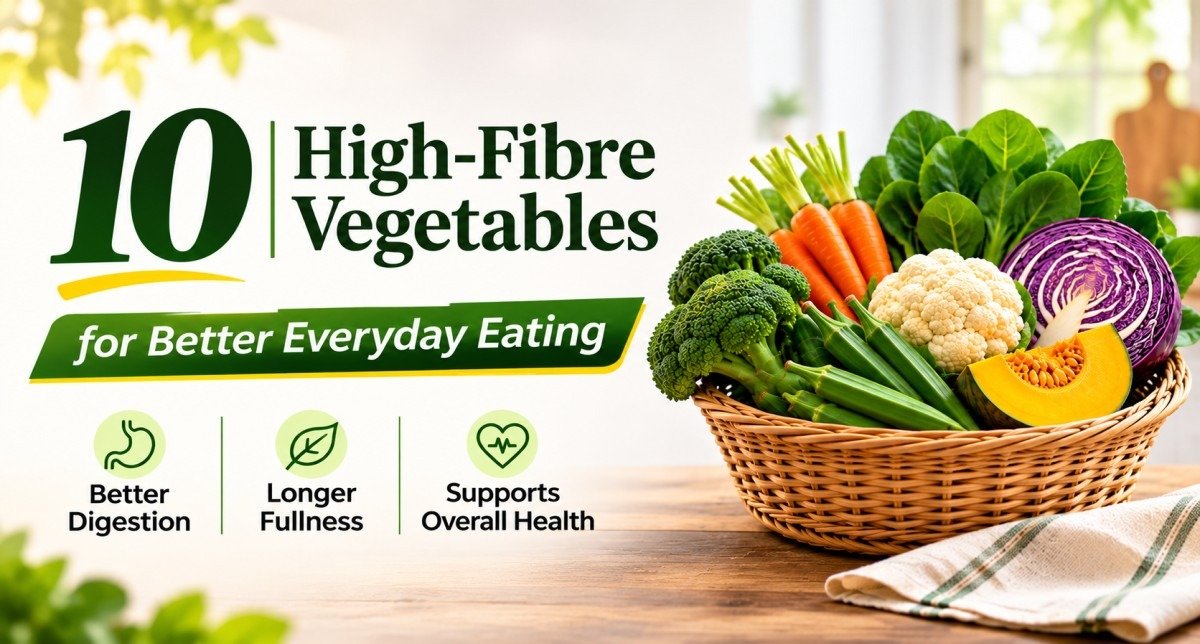
Healthy eating does not need a complicated plan. Start with the vegetables already in your kitchen. They give you vitamins, minerals, and dietary fibre in every meal.
Green peas, carrots, broccoli, and sweet potatoes all fit into familiar recipes. This guide covers 10 high-fibre vegetables and simple ways to cook them, from Kerala-style thorans to quick stir-fries.
Why Is Fibre Important in Your Daily Diet?
Dietary fibre is a plant carbohydrate your body cannot fully digest, and it keeps digestion regular, helps you feel full, and feeds beneficial gut bacteria. Vegetables are one of the easiest everyday sources, and they also add vitamins and minerals to your plate.
Here is what fibre does for you:
-
Supports digestion: Fibre helps maintain regular bowel movements.
-
Keeps you full: Fibre-rich foods help you feel satisfied after meals.
-
Feeds gut bacteria: Some types of fibre nourish the good bacteria in your digestive system.
-
Builds balanced habits: High-fibre vegetables also deliver nutrients that support overall well-being.
The World Health Organization recommends at least 400 g of fruit and vegetables a day for adults. The vegetables below help you get there.
Which Vegetables Are Highest in Fibre?
Green peas lead this list at roughly 5 to 6 g of fibre per 100 g, followed by Brussels sprouts, okra, and sweet potatoes. Broccoli, carrots, beetroot, green beans, spinach, and cauliflower also contribute steadily. Exact values shift with variety, portion size, and cooking method.
|
Vegetable |
Fibre per 100 g (raw, approx.) |
Easy Kerala-style use |
|
Green peas |
5.7 g |
Pulao, curries, soups |
|
Brussels sprouts |
3.8 g |
Roasted with garlic |
|
Okra (ladies’ finger) |
3.2 g |
Curry, stir-fry |
|
Sweet potato |
3.0 g |
Boiled or roasted snack |
|
Carrot |
2.8 g |
Salads, thoran, soups |
|
Beetroot |
2.8 g |
Thoran, salads |
|
Green beans |
2.7 g |
Thoran, stir-fry |
|
Broccoli |
2.6 g |
Steamed, stir-fried |
|
Spinach |
2.2 g |
Dal, curry, chapati dough |
|
Cauliflower |
2.0 g |
Curry, mixed vegetables |
Source: USDA FoodData Central. Values are approximate and vary by variety and preparation.
10 High-Fibre Vegetables to Include in Your Diet
Green peas, broccoli, carrots, sweet potatoes, spinach, okra, Brussels sprouts, cauliflower, green beans, and beetroot are ten everyday vegetables that add dietary fibre to your plate. Each one fits easily into familiar, everyday Indian dishes such as curries, thorans, soups, salads, and stir-fries.
1. Green Peas
Green peas are small but packed with dietary fibre, plant-based protein, vitamins, and minerals. They work in almost any everyday dish.
How to use them: Add peas to vegetable pulao, curries, soups, or mixed vegetable dishes.
2. Broccoli
Broccoli provides dietary fibre and vitamin C. It cooks fast and pairs well with simple seasonings.
How to use it: Steam it, stir-fry it, or add it to salads and homemade soups.
3. Carrots
Carrots give you dietary fibre and beta-carotene, which your body converts into vitamin A. Their natural sweetness suits many recipes.
How to use them: Toss them into salads, curries, and soups, or eat them raw with a healthy dip.
4. Sweet Potatoes
Sweet potatoes offer dietary fibre and potassium. Wash them well and eat them with the skin on for extra fibre.
How to use them: Boil, roast, or steam them as a snack, or add them to vegetable-based meals.
5. Spinach
Spinach contains fibre, folate, vitamins, and minerals. It is quick to cook and fits both Indian and international recipes.
How to use it: Make spinach curry, stir it into dal, blend it into soups, or knead it into chapati dough.
6. Okra (Ladies’ Finger)
Okra is a staple of Indian kitchens and a good source of dietary fibre. Its texture holds up well in curries and stir-fries.
How to use it: Cook a traditional okra curry, make a simple stir-fry, or add it to mixed vegetables.
7. Brussels Sprouts
Brussels sprouts are small leafy vegetables with dietary fibre and several essential nutrients. Simple preparation works best.
How to use them: Roast, steam, or sauté them with garlic and mild spices.
8. Cauliflower
Cauliflower contains dietary fibre and adapts to many recipes. It adds variety to weekday meals.
How to use it: Cook cauliflower curry, add it to soups, or toss it into a mixed vegetable stir-fry.
9. Green Beans
Green beans are an easy source of dietary fibre. Their mild flavour blends with other vegetables and spices.
How to use them: Make a classic green bean thoran, stir-fry them, or add them to mixed vegetable curries.
10. Beetroot
Beetroot is a colourful root vegetable with dietary fibre and folate. Its earthy, slightly sweet taste suits both raw and cooked dishes.
How to use it: Add it to salads, cook beetroot thoran, blend it into soups, or serve it as a simple side.
How Can You Add More Fibre-Rich Vegetables to Your Meals?
Add vegetables to every meal. Stir peas or carrots into breakfast dishes, cook mixed vegetable curries for lunch, and add soups or salads at dinner. Rotating vegetables through the week adds variety and helps you reach the at least 400 g of fruit and vegetables the WHO recommends daily.
Try these small changes:
-
Start at breakfast: Add carrots, spinach, or peas to upma, dosa fillings, or egg dishes.
-
Cook mixed vegetable curries: Combine two or three vegetables in one pot.
-
Make soups: Fresh vegetables turn into a wholesome meal in minutes.
-
Build colourful salads: Mix carrots, beetroot, and spinach for variety.
-
Stir-fry in minutes: Cook green beans, broccoli, and cauliflower with simple seasoning.
-
Use ready-to-cook options: Pre-cut vegetables save time on busy days.
Tips for Increasing Fibre Intake
-
Increase fibre gradually so your digestive system can adjust.
-
Drink enough water through the day.
-
Eat a variety of vegetables instead of relying on one type.
-
Choose whole vegetables whenever possible.
-
Pair vegetables with other fibre-rich foods such as fruit, legumes, and whole grains.
Vegetables are a core part of healthy eating, but a balanced diet also needs other food groups. Variety and moderation matter.
How Can Kerala Food Brands Sell Fresh Produce Online?
Kerala food and grocery brands need a fast, mobile-friendly online store, strong local search visibility, and reliable fulfilment. A clear e-commerce strategy, a well-built storefront, and focused digital marketing turn recipe content like this into orders from Trivandrum, across Kerala, and beyond.
Green peas, broccoli, carrots, sweet potatoes, spinach, okra, Brussels sprouts, cauliflower, green beans, and beetroot are simple ways to add variety and nutrition to your meals. Pick two or three each week. Rotate them. Keep the cooking simple.
At Onionz, we make it easier to bring vegetables into your everyday cooking routine. Explore our fresh vegetable selections and find convenient options that make meal preparation simpler.
Frequently Asked Questions (FAQs)
1. Which vegetables are highest in fibre?
Green peas rank highest on this list at roughly 5 to 6 g per 100 g raw. Brussels sprouts, okra, and sweet potatoes follow. Fibre content varies with serving size, variety, and cooking method, so eating a mix of vegetables works better than relying on one.
2. Which Indian vegetables are rich in fibre?
Okra, green peas, carrots, beetroot, spinach, and sweet potatoes are widely available in Kerala and across India. They fit into everyday meals such as sambar, thoran, dal, and chapati dough, which makes a higher-fibre plate easy to build without changing your routine.
3. Can eating high-fibre vegetables help with digestion?
Yes. Dietary fibre supports digestive health and regular bowel movements. Increase your intake gradually, drink enough water, and eat a variety of vegetables, legumes, fruits, and whole grains. If you have a digestive condition, check with your doctor before changing your diet.
4. How can I include more fibre in my daily meals?
Add vegetables to every meal. Stir peas or carrots into breakfast dishes, cook mixed vegetable curries for lunch, and add soups or salads at dinner. Rotating vegetables through the week adds variety and helps you reach the at least 400 g of fruit and vegetables the WHO recommends daily.
5. Are cooked vegetables good sources of fibre?
Yes. Cooking does not remove dietary fibre. Steaming, boiling, and stir-frying all keep most of it. Cooking mainly softens the fibre and can affect some vitamins, so lightly steam or stir-fry your vegetables and avoid overcooking them where the dish allows.
6. Can a Kerala food brand sell vegetables online to customers outside the state?
Yes. With the right e-commerce platform, logistics setup, and digital marketing, a Kerala-based brand can serve customers in Trivandrum builds storefronts designed for local and global delivery.
- Share this:

-